

Internal Halal Audit Malaysia: Why Every Certified Company Needs One
Many businesses celebrate when they successfully obtain Halal certification. However, maintaining Halal compliance after certification requires continuous monitoring, evaluation, and improvement.
One of the most important activities in maintaining a strong Halal management system is conducting a Internal Halal Audit.
A Internal Halal Audit helps organisations evaluate whether their existing Halal practices are effectively implemented, identify potential weaknesses, and ensure continuous compliance with Halal requirements.
At MyHalalPro, we believe that internal audits should not be viewed as a burden or a preparation exercise only before an external audit. Instead, it should become a valuable tool for businesses to strengthen their Halal management system.
What Is Internal Halal Audit?
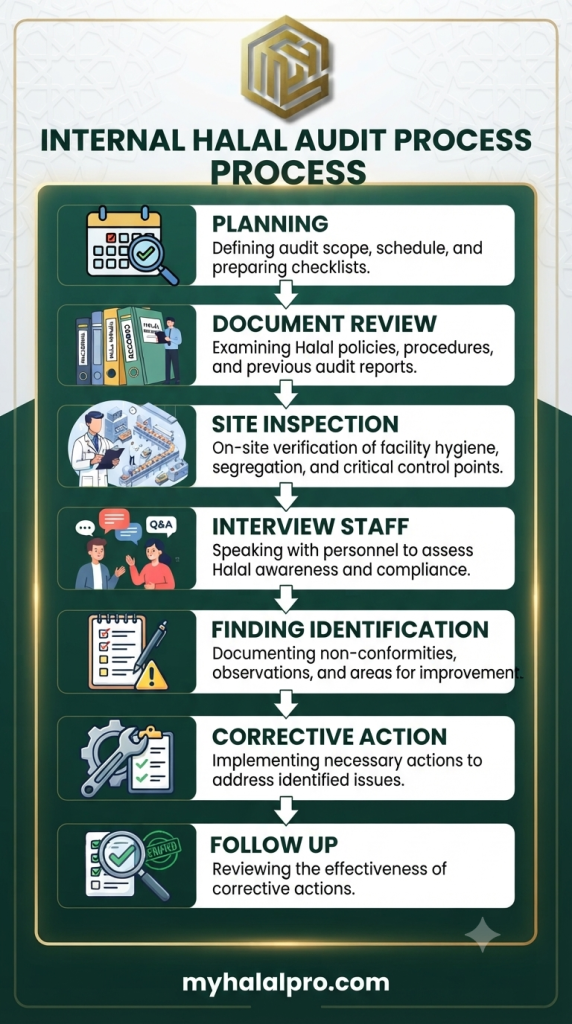
Internal Halal Audit is a systematic review conducted within an organisation to evaluate the effectiveness of its Halal compliance system.
The purpose is to verify whether Halal procedures, documentation, and operational controls are implemented according to established requirements.
Unlike external audits conducted by certification bodies, internal audits are performed by the organisation itself or supported by qualified Halal professionals to identify areas for improvement before official assessments.
Why Is Internal Halal Audit Important?
1. Identify Halal Compliance Gaps Early
Businesses may experience changes after obtaining Halal certification.
Examples include:
- New suppliers
- New ingredients
- Changes in production processes
- New employees
- Updated procedures
Without regular monitoring, these changes may create risks to Halal compliance.
Internal audits help identify potential issues before they become major findings during certification audits.
2. Ensure Halal Assurance System (HAS) Effectiveness
A company may have Halal procedures and documentation, but the important question is:
Are these systems actually being implemented?
Internal audit evaluates whether:
- Procedures are followed
- Records are maintained
- Responsibilities are understood
- Corrective actions are properly completed
This ensures that HAS is not only available on paper but functions effectively in daily operations.
3. Improve Audit Readiness
Many businesses only start preparing when an external audit is approaching.
This often creates unnecessary pressure because documents may be incomplete, records may be missing, and employees may not be prepared.
Regular internal audits allow businesses to maintain continuous readiness.
Areas Covered During Internal Halal Audit

The scope of a Internal Halal Audit depends on the organisation’s operations. However, common areas include:
1. Documentation Review
Auditors review whether required documents are available, updated, and properly maintained.
Examples:
- Halal manual
- Procedures
- Supplier records
- Ingredient documents
- Training records
- Audit reports
- Corrective action records
2. Raw Material and Supplier Management
Ingredients are one of the most critical aspects of Halal compliance.
Audit activities may include reviewing:
- Supplier approval process
- Halal certificates
- Ingredient specifications
- Material changes
- Receiving procedures
3. Production and Processing Activities
Internal audits assess whether production activities follow established Halal controls.
This may include:
- Process flow
- Equipment usage
- Cleaning practices
- Product handling
- Storage conditions
- Prevention of contamination risks
4. Employee Awareness and Competency
Employees involved in Halal-related activities should understand their responsibilities.
Audits may evaluate:
- Training effectiveness
- Employee understanding
- Implementation of procedures
Common Findings During Internal Halal Audit
Based on practical experience, some common issues found during audits include:
Incomplete Records
Activities may be performed but evidence is not properly maintained.
Outdated Documents
Procedures or documents may not reflect current operations.
Supplier Information Not Updated
Changes in ingredients or suppliers may not be properly reviewed.
Weak Corrective Action Management
Previous issues may repeat because root causes are not properly addressed.
Identifying these issues early allows organisations to take preventive action.
Who Should Conduct a Internal Halal Audit?
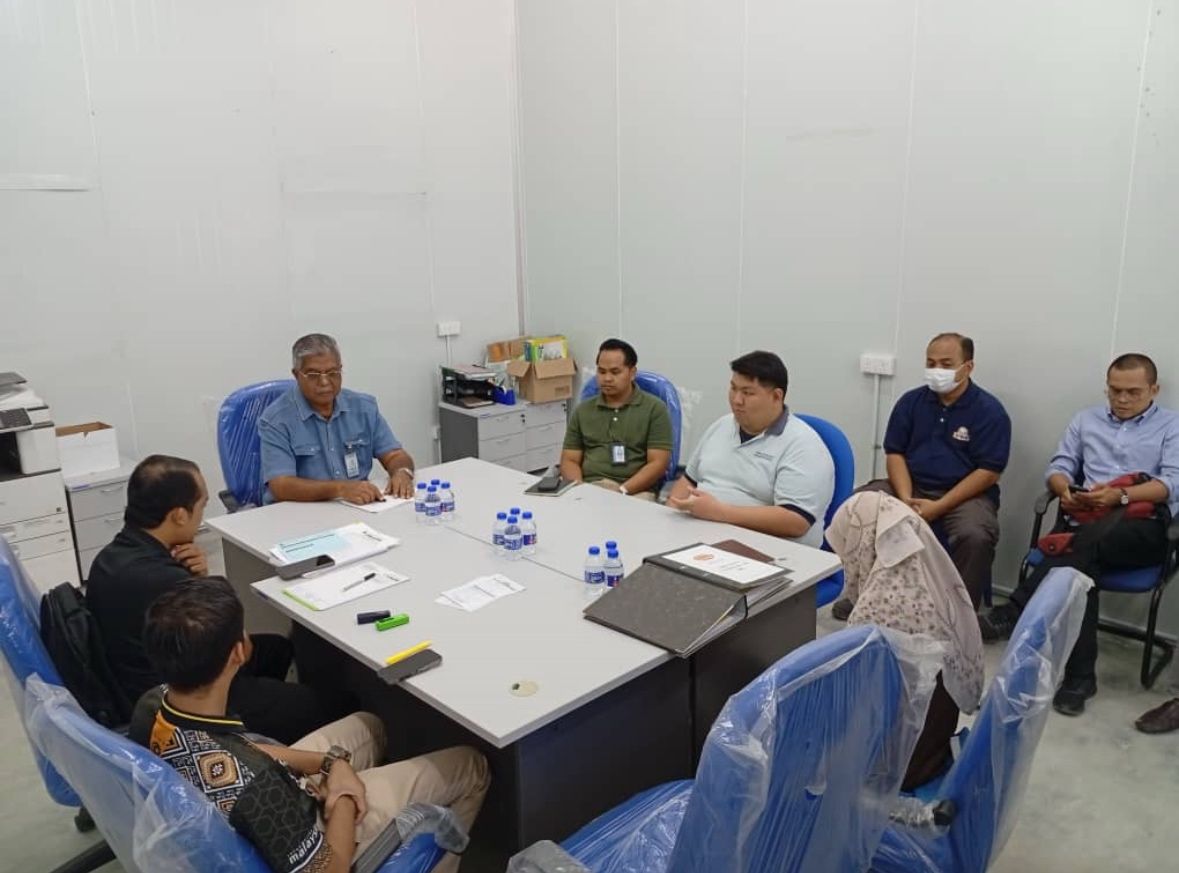
A Internal Halal Audit should be conducted by individuals who understand both Halal requirements and business operations.
A competent auditor should have knowledge in:
- Halal standards and requirements
- Halal Assurance System
- Audit techniques
- Risk identification
- Documentation review
Some organisations develop internal auditors within their team, while others engage external Halal advisory for an independent assessment.
Benefits of Engaging a Halal Advisory for Internal Audit
An external Halal advisor can provide an objective perspective by identifying issues that may be overlooked internally.
Benefits include:
- Independent evaluation
- Practical improvement recommendations
- Better audit preparation
- Industry-based insights
- Support in corrective action implementation
This approach helps businesses strengthen their Halal system with greater confidence.
How MyHalalPro Supports Internal Halal Audit
At MyHalalPro, we provide practical Internal Halal Audit support designed to help businesses evaluate and improve their compliance systems.
Our approach includes:
- Review of Halal documentation
- Assessment of operational practices
- Identification of compliance gaps
- Audit findings report
- Corrective action recommendations
- HAS improvement guidance
We help businesses move beyond maintaining certification towards building a stronger and more reliable Halal management system.
Final Thoughts
Halal certification is not the end of the journey.
Continuous monitoring and improvement are essential to ensure that Halal integrity is protected throughout business operations.
A well-conducted Internal Halal Audit gives businesses the opportunity to identify risks, improve systems, and maintain confidence in their Halal compliance.
Need support preparing your business for Halal compliance audits? MyHalalPro is ready to assist.