

Halal Certification Process Malaysia: Step-by-Step Guide for Businesses
Obtaining JAKIM Halal Certification is an important milestone for businesses that want to build consumer confidence and expand into the growing Halal market.
However, many business owners feel overwhelmed because they are unsure where to begin, what documents are required, or how the application process works.
The good news is that Halal certification becomes much more manageable when businesses understand the overall process and prepare systematically.
This guide explains the Halal certification process in Malaysia and highlights practical steps that can help businesses prepare with confidence.
Why Is Halal Certification Important?
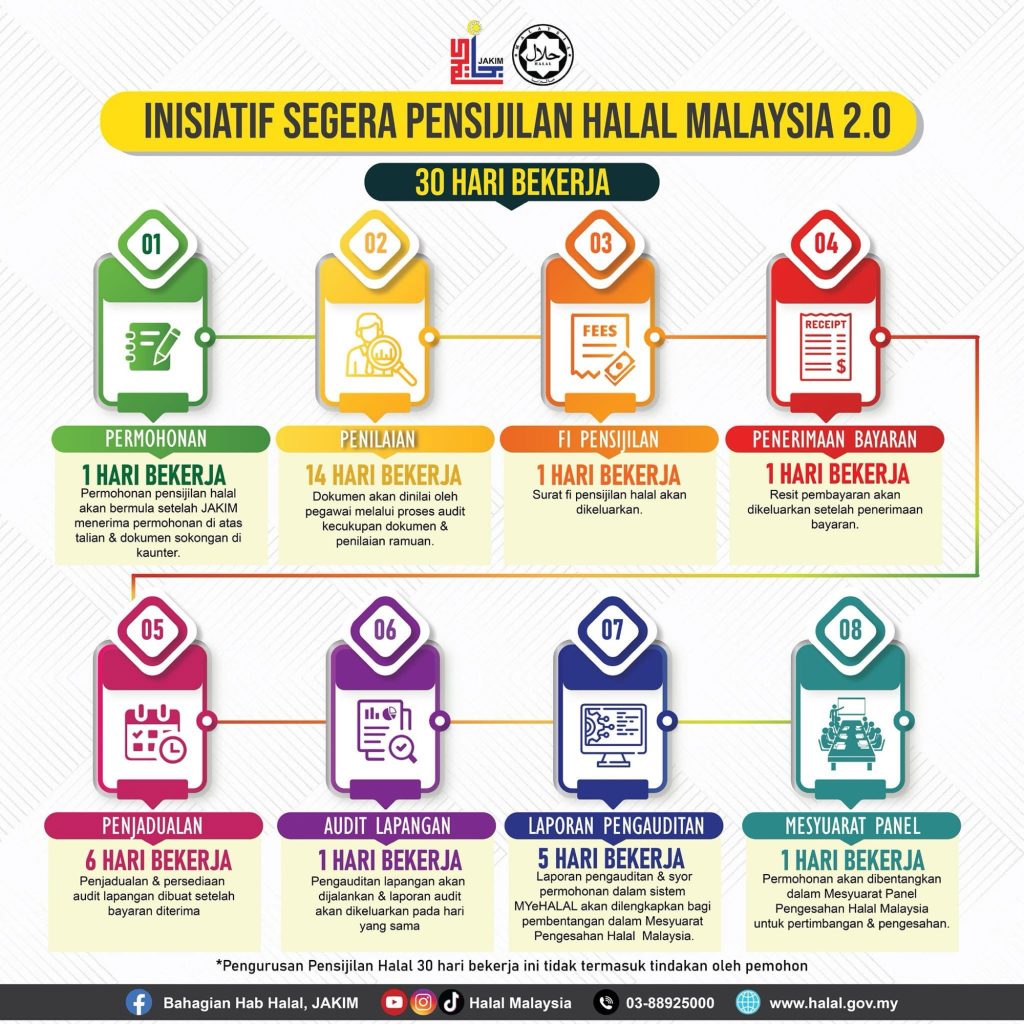
Halal certification demonstrates that a business has implemented the necessary controls to ensure its products and operations comply with Halal requirements.
Beyond regulatory compliance, certification helps businesses:
- Build consumer trust
- Strengthen brand credibility
- Improve internal management systems
- Access wider market opportunities
- Support long-term business growth
For many businesses, Halal certification is not simply about obtaining a logo. It is about building a sustainable compliance culture.
Step 1: Determine Your Business Readiness
Before submitting an application, businesses should evaluate whether their current operations are ready for Halal certification.
Key areas include:
- Raw materials and ingredients
- Suppliers
- Production process
- Equipment and facilities
- Documentation
- Employee awareness
- Internal Halal management
A readiness assessment helps identify potential gaps before the official application begins.
Step 2: Develop a Halal Assurance System (HAS)
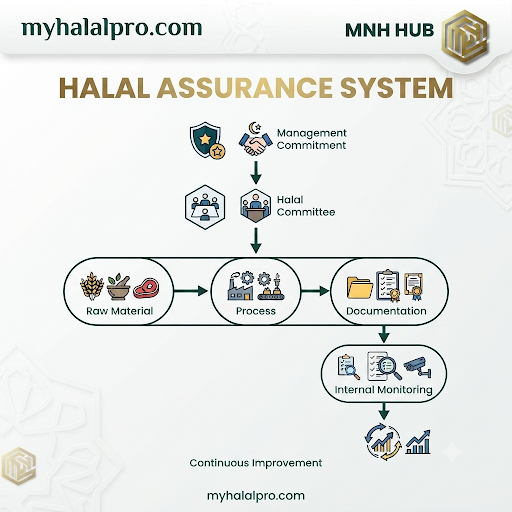
A strong Halal Assurance System provides the foundation for long-term compliance.
Businesses should establish:
- Halal policy
- Halal committee
- Documented procedures
- Monitoring activities
- Record management
- Internal audit programme
Developing HAS early makes future compliance much easier.
Step 3: Prepare Supporting Documentation
Documentation is one of the most important parts of the certification process.
Businesses should ensure that supporting documents are complete, organised, and regularly updated.
Typical documents include:
- Company information
- Product information
- Ingredient details
- Supplier documents
- Production flow
- Standard operating procedures (SOP)
- Employee training records
- Halal-related records
Good documentation reflects good management.
Step 4: Submit the Halal Certification Application
Once the business is ready, the application can be submitted through the appropriate Halal certification system together with the required supporting documents.
After submission, the application will be reviewed before proceeding to the next stages of the assessment process.
Businesses should ensure that all submitted information is accurate and consistent with actual operations.
Step 5: Prepare for the Halal Audit
The audit is an opportunity for businesses to demonstrate how Halal requirements are implemented in practice.
Auditors may review:
- Documents and records
- Production activities
- Storage facilities
- Employee understanding
- Ingredient control
- Traceability
- Overall implementation of the Halal Assurance System
Preparation should focus on actual implementation rather than temporary arrangements made only for the audit.
Common Mistakes During Halal Certification
Many applications experience delays because businesses make avoidable mistakes.
Some of the most common include:
- Incomplete documentation
- Supplier information not updated
- Poor record management
- Weak employee awareness
- Lack of internal monitoring
- Inadequate preparation before the audit
Addressing these issues early helps create a smoother certification journey.
How a Halal Advisory Can Help
Every business has unique operational challenges.
Working with an experienced Halal advisory can help businesses:
- Assess readiness
- Develop a Halal Assurance System
- Prepare documentation
- Conduct internal audits
- Train employees
- Improve compliance before certification
Professional guidance can reduce unnecessary delays and improve overall confidence throughout the certification process.
How MyHalalPro Supports Your Halal Journey
At MyHalalPro, we work closely with businesses to simplify the Halal certification process through practical, industry-focused solutions.
Our services include:
- Halal Certification Advisory
- Halal Readiness Assessment
- Halal Assurance System (HAS) Development
- Documentation Preparation
- Internal Halal Audit
- Halal Training and Awareness Programmes
- Continuous Compliance Support
Our goal is not only to help businesses obtain certification, but also to establish systems that support long-term Halal compliance.
Final Thoughts
The Halal certification process should not be viewed as a complicated administrative exercise.
With proper planning, structured documentation, and a strong Halal management system, businesses can approach certification with greater confidence and clarity.
Whether you are applying for Halal certification for the first time or strengthening your existing compliance system, preparation is the key to long-term success.
Ready to begin your Halal certification journey? Contact MyHalalPro and let us help you build a stronger Halal compliance system.